If you’ve ever used a stainless steel pan and find that your food sticks then you don’t know how to use a stainless steel pan. There’s a knack and it isn’t hard.
Making sure the pan is clean, and without any oil, heat the pan up. After a few minutes, flick a few dabs of water from your hand into the pan. If the water fizzles and evaporates, then the pan isn’t ready to use. Here’s a video of a pan that isn’t anywhere near ready.
Using a stainless steel pan without bringing it up to temperature is why most people cannot use stainless steel pans. When the pan isn’t at temperature the molecules are vibrating at a speed slow enough that allows them to act as little microscopic food destroying shredding machines. They grab your food, it sticks, you panic, try and move it, dinner is ruined, you are emotionally scarred and (incorrectly) conclude that stainless steel pans are crap.
Instead, wait and allow the pan to heat up and repeat the flicking of water droplets onto it at various intervals. When the pan is ready to use the water will bead on the surface of the pan and dart around rather than fizzle and evaporate. This is because the molecules in the steel are now vibrating fast that enough to act as a very nice, very flat surface. Hence the water bounces around like in the below video.
When it is at heat take a tissue and wipe a thin layer of oil of onto the pan. Go fast and don’t burn your fingers. Once that water dances around and it’s oiled, then as long as you’re controlling the heat of the pan whilst you cook then nothing will stick. You’re free to turn the heat down and turn it up, but always be mindful of how the pan interacts with the food. The food isn’t cooking in the pan, the pan is cooking the food. It’s a constant interaction. For example, if you’re making scrambled eggs and you put the cold egg mixture into a pan that has just made it to temperature, then the eggs may cool it down to the point where it sticks. Be mindful.
If you’re cooking something fatty like mince or steak, you don’t need to oil the pan but you will need to make sure your kitchen extraction is on-point. if it isn’t then your house is going to resemble a very meaty 80’s rock video. This is one of the reasons I like to cook outside, however DIY paralysis has struck me again and the outdoor kitchen is unfinished. The shame. It’s been two years now.
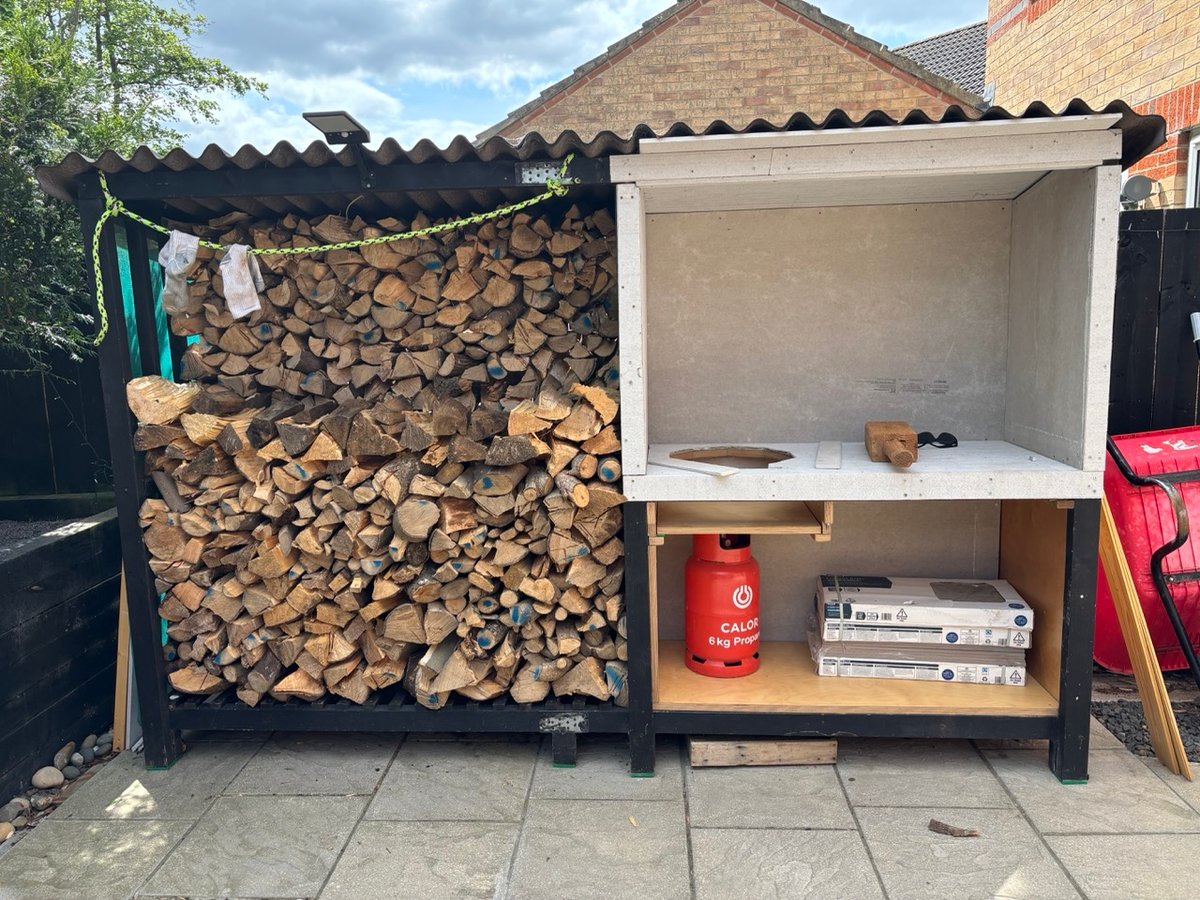
I should have left it as the quick hack that it used to be. That lasted three years. I digress. In my humble opinion, stainless steel pans give the best finish to meats. But only if you use the pan correctly. It should be noted that the thickness of the pan matters. Ideally it should be heavy. The pan in the shot is an Ikea pan that I’ve had since 2013. It replaced the same model that I foolishly left on the heat for too long and the heat caused one of the rivets to fly off. My fault, but Ikea replaced it for free, without a receipt and zero hassle. My point here is buy once cry once and ideally in person. It should be heavy.
I’ll do a follow up post about cast-iron pans and carbon steel pans as the internet has made them into some mysterious complex dark art. In my experience they’re very low maintenance.
I don’t do non-stick pans; they’re pointless, need to treated with kid gloves and nearly always start leaving teflon in your food.